
These are all common sense measures, but they're always good to keep in mind whenever you head out into the wild:
1) Never assume that your expertise will keep you safe
2) Get in the habit of turning around every 5-10 minutes and looking at your route from the 180 view
3) If you get disoriented, always retrace your steps to get back on track.
4) Take some gear, including extra clothes, a rain shell, a map and compass, a butane lighter, a headlamp, and perhaps a cell phone, pocket flares, or an emergency beacon.
5) Know the weather report.
6) Have a plan
7) Don't scramble unroped on cliffs, drop-offs or snowfields, especially if you're alone.
8) Don't be afraid to dial back your plans (i.e. don't let your ego get the best of you)
You can read the full article by clicking here.
Another thing to beware of is the first five minutes after you first start to question as to whether you might be lost or not. According to Professor Hike on Backpacker Magazine, this is the most critical time period for hikers to prevent themselves from becoming lost. The professor offers three personal case studies to show you what he means. You can click here to read the article.
*******************************************************************************
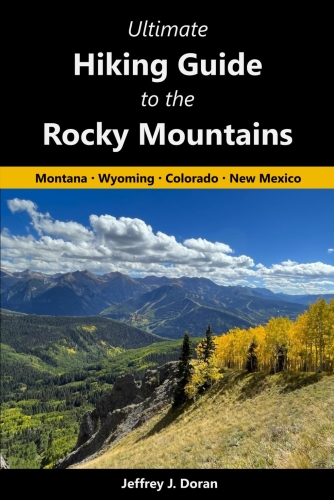
From Montana to New Mexico, the American Rockies stretch for more than a thousand miles. Within this spectacular mountain range are thousands of miles of hiking trails. With such an overwhelming number of options, how will you find and choose the most scenic and rewarding hikes?
Ultimate Hiking Guide to the Rocky Mountains takes all the guesswork out by focusing on some of the most amazing hikes across this range, and provides you with a handpicked list of options that will allow you to make the most of your trips in the Rockies:

No comments:
Post a Comment