The U.S. Forest Service will publish a proposed climbing directive in the Federal Register and initiate a 30-day public comment period. This proposal establishes the agency’s first national direction for managing recreational climbing opportunities on national forests and grasslands that will include guidance for the use and maintenance of fixed anchors and equipment.
The updated proposal replaces a 2023 draft that was overtaken by new requirements in the Expanding Public Lands Outdoor Recreation Experiences (EXPLORE) Act, signed into law January 4, 2025. The EXPLORE Act directs federal land management agencies to recognize recreational climbing - including certain fixed anchors – as an appropriate use in congressionally designated wilderness areas.
“Recreational climbing continues to grow in popularity, with nearly 30 percent of all outdoor climbing occurring on National Forest System lands,” said Forest Service Chief Tom Schultz. “This proposed directive provides much-needed national policy for climbing activities and gives local decision-makers the ability to work with partners, tribes, climbing organizations, and others to ensure visitors are having safe, responsible and accessible outdoor experiences.”
By law, the Forest Service must develop a climbing directive, consistent with the goals stated Executive Order 14219, “Ensuring Lawful Governance and Implementing the President’s ‘Department of Government Efficiency’ Deregulatory Initiative.” (PDF, 162 KB)
The outdoor recreation economy continues to grow, and the Forest Service is committed to promoting and increasing access to these special sites. Nationally, it is estimated there are nearly 10.3 million climbers in the United States, of which approximately 2.3 million participated in sport or boulder climbing and approximately 2.4 million participated in traditional ice or mountaineering climbing, according to the Outdoor Industry Association’s 2022 report on outdoor participation trends.
The proposed rule can be viewed and comments submitted through the Comment and Analysis Response Application.
*******************************************************************************
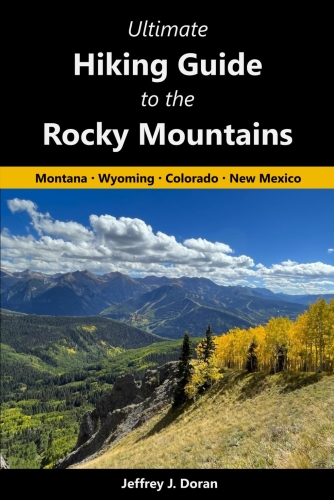
From Montana to New Mexico, the American Rockies stretch for more than a thousand miles. Within this spectacular mountain range are thousands of miles of hiking trails. With such an overwhelming number of options, how will you find and choose the most scenic and rewarding hikes?
Ultimate Hiking Guide to the Rocky Mountains takes all the guesswork out by focusing on some of the most amazing hikes across this range, and provides you with a handpicked list of options that will allow you to make the most of your trips in the Rockies:
Monday, June 22, 2026
Saturday, June 20, 2026
Fire danger raised to high
Teton Interagency Fire managers have elevated the fire danger rating to “high” for Grand Teton National Park, the Bridger-Teton National Forest, and the National Elk Refuge.
While the landscape may still appear green, heavy dead and down timber and fuels are what drive fire activity. A high fire danger means wildfires can start easily and spread quickly. Fire managers consider things like fuel moisture (how dry grasses, shrubs, and trees are), forecasted temperatures and wind, how fast fires can grow, and whether firefighting resources are available nationwide.
For the latest fire updates, safety tips, and current restrictions, visit TetonFires.com.
To report smoke or a fire, call the Teton Interagency Fire Dispatch Center at 307-739-3630.
*******************************************************************************
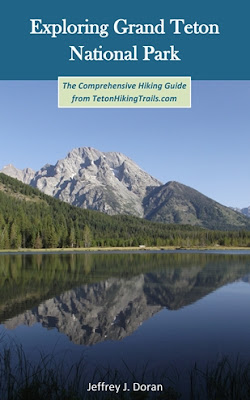
Rising more than 7000 feet above Jackson Hole, the majestic mountains of Grand Teton National Park provide one of the most dramatic landscapes in the world. With more than 240 miles of trails meandering throughout this park, how will you find and choose the most scenic and rewarding hikes?
Exploring Grand Teton National Park takes all the guesswork out by focusing on the most amazing hikes, and provides you with handpicked recommendations that will allow you to make the most of your trip to Grand Teton:
While the landscape may still appear green, heavy dead and down timber and fuels are what drive fire activity. A high fire danger means wildfires can start easily and spread quickly. Fire managers consider things like fuel moisture (how dry grasses, shrubs, and trees are), forecasted temperatures and wind, how fast fires can grow, and whether firefighting resources are available nationwide.
For the latest fire updates, safety tips, and current restrictions, visit TetonFires.com.
To report smoke or a fire, call the Teton Interagency Fire Dispatch Center at 307-739-3630.
*******************************************************************************
Rising more than 7000 feet above Jackson Hole, the majestic mountains of Grand Teton National Park provide one of the most dramatic landscapes in the world. With more than 240 miles of trails meandering throughout this park, how will you find and choose the most scenic and rewarding hikes?
Exploring Grand Teton National Park takes all the guesswork out by focusing on the most amazing hikes, and provides you with handpicked recommendations that will allow you to make the most of your trip to Grand Teton:
Friday, June 19, 2026
Going-to-the-Sun Road Projected to Open Monday, June 22
The full length of Going-to-the-Sun Road is expected to open to motorized vehicles on Monday, June 22, for the 2026 summer season. Rockfalls or other natural events may delay this opening, as conditions can change quickly.
Glacier National Park is reminding visitors about important changes taking effect for the 2026 season. These changes, first announced in February, include that the park will not have vehicle reservations in 2026, will introduce three-hour parking limits at Logan Pass, and will replace the Going-to-the-Sun Road Shuttle service with a ticketed Logan Pass Shuttle for hikers of the Highline Trail and visitors who want a longer stay at Logan Pass.
Both the Logan Pass Shuttle system and the three-hour timed parking at Logan Pass will begin on July 1, 2026.
Complete information on the Logan Pass Shuttle and the limited three-hour parking at Logan Pass can be found online at Visiting Logan Pass in 2026.
Visitor information services and the Glacier National Park Conservancy bookstore will be available at the Logan Pass Visitor Center starting June 22. Visitors are reminded to pack water and snacks as food and water are not available for purchase at the Logan Pass Visitor Center. There is a water bottle filling station and restrooms will be open.
Parking at Avalanche, Apgar Village, and other areas may be congested or temporarily unavailable.
*******************************************************************************
Glacier National Park preserves more than a million acres of some of the most spectacular scenery on Earth. With more than 740 miles of trails meandering throughout this vast park, how will you find and choose the most scenic and rewarding hikes?
Exploring Glacier National Park takes all the guesswork out by focusing on the most amazing hikes, and provides you with handpicked recommendations that will allow you to make the most of your trip to Glacier:
Glacier National Park is reminding visitors about important changes taking effect for the 2026 season. These changes, first announced in February, include that the park will not have vehicle reservations in 2026, will introduce three-hour parking limits at Logan Pass, and will replace the Going-to-the-Sun Road Shuttle service with a ticketed Logan Pass Shuttle for hikers of the Highline Trail and visitors who want a longer stay at Logan Pass.
Both the Logan Pass Shuttle system and the three-hour timed parking at Logan Pass will begin on July 1, 2026.
Complete information on the Logan Pass Shuttle and the limited three-hour parking at Logan Pass can be found online at Visiting Logan Pass in 2026.
Visitor information services and the Glacier National Park Conservancy bookstore will be available at the Logan Pass Visitor Center starting June 22. Visitors are reminded to pack water and snacks as food and water are not available for purchase at the Logan Pass Visitor Center. There is a water bottle filling station and restrooms will be open.
Parking at Avalanche, Apgar Village, and other areas may be congested or temporarily unavailable.
*******************************************************************************
Glacier National Park preserves more than a million acres of some of the most spectacular scenery on Earth. With more than 740 miles of trails meandering throughout this vast park, how will you find and choose the most scenic and rewarding hikes?
Exploring Glacier National Park takes all the guesswork out by focusing on the most amazing hikes, and provides you with handpicked recommendations that will allow you to make the most of your trip to Glacier:
Thursday, June 18, 2026
Moose-Wilson Road to reopen to traffic June 19
Grand Teton National Park will reopen the northern section of Moose-Wilson Road between the Laurance S. Rockefeller Preserve and Moose to through traffic on June 19, marking a major milestone in the park’s 2026 construction season.
Beginning June 19, visitors may travel the full length of Moose-Wilson Road between the Granite Canyon Entrance Station and Moose. While the road will be open, visitors should expect intermittent delays of up to 45 minutes or longer through Labor Day as construction vehicles and equipment move along the narrow roadway.
Visitors should also be aware that the section of Moose-Wilson Road between the Laurance S. Rockefeller Preserve and the Death Canyon Road junction remains an unpaved gravel surface as construction continues. There is no roadside parking or stopping in the construction zone. Drivers should reduce speed, watch for loose gravel, be prepared for delays, and follow instructions from flaggers. Cyclists should follow the same instructions as vehicles.
Current construction activity on the Moose-Wilson Road project includes improvements to Death Canyon Road and the development of a new Death Canyon Trailhead. As a result, Death Canyon Road and the Death Canyon Trailhead will remain closed to all use throughout the 2026 season.
Other construction projects this season: In addition to Moose-Wilson Road and Death Canyon Road, visitors can expect construction activity in several other areas of the park this season, including:
* Taggart Lake Trail and Trailhead
* Cottonwood Creek Picnic Area
* Mormon Row
* North Park Road between Leeks Marina and Lizard Creek Campground
Visitors should be prepared for periodic delays, temporary closures, and changing traffic patterns in construction areas. As summer visitation increases, visitors are encouraged to plan ahead, allow extra travel time, and use available trip-planning resources to help navigate construction impacts throughout the park.
For current construction updates, maps, and trip-planning information, visit: https://www.nps.gov/grte/planyourvisit/road-construction.htm
*******************************************************************************
Rising more than 7000 feet above Jackson Hole, the majestic mountains of Grand Teton National Park provide one of the most dramatic landscapes in the world. With more than 240 miles of trails meandering throughout this park, how will you find and choose the most scenic and rewarding hikes?
Exploring Grand Teton National Park takes all the guesswork out by focusing on the most amazing hikes, and provides you with handpicked recommendations that will allow you to make the most of your trip to Grand Teton:
Beginning June 19, visitors may travel the full length of Moose-Wilson Road between the Granite Canyon Entrance Station and Moose. While the road will be open, visitors should expect intermittent delays of up to 45 minutes or longer through Labor Day as construction vehicles and equipment move along the narrow roadway.
Visitors should also be aware that the section of Moose-Wilson Road between the Laurance S. Rockefeller Preserve and the Death Canyon Road junction remains an unpaved gravel surface as construction continues. There is no roadside parking or stopping in the construction zone. Drivers should reduce speed, watch for loose gravel, be prepared for delays, and follow instructions from flaggers. Cyclists should follow the same instructions as vehicles.
Current construction activity on the Moose-Wilson Road project includes improvements to Death Canyon Road and the development of a new Death Canyon Trailhead. As a result, Death Canyon Road and the Death Canyon Trailhead will remain closed to all use throughout the 2026 season.
Other construction projects this season: In addition to Moose-Wilson Road and Death Canyon Road, visitors can expect construction activity in several other areas of the park this season, including:
* Taggart Lake Trail and Trailhead
* Cottonwood Creek Picnic Area
* Mormon Row
* North Park Road between Leeks Marina and Lizard Creek Campground
Visitors should be prepared for periodic delays, temporary closures, and changing traffic patterns in construction areas. As summer visitation increases, visitors are encouraged to plan ahead, allow extra travel time, and use available trip-planning resources to help navigate construction impacts throughout the park.
For current construction updates, maps, and trip-planning information, visit: https://www.nps.gov/grte/planyourvisit/road-construction.htm
*******************************************************************************
Rising more than 7000 feet above Jackson Hole, the majestic mountains of Grand Teton National Park provide one of the most dramatic landscapes in the world. With more than 240 miles of trails meandering throughout this park, how will you find and choose the most scenic and rewarding hikes?
Exploring Grand Teton National Park takes all the guesswork out by focusing on the most amazing hikes, and provides you with handpicked recommendations that will allow you to make the most of your trip to Grand Teton:
Wednesday, June 17, 2026
The first trail guide published in the United States
The following is an adaptation from Ramble On: A History of Hiking.
In 1882, William Pickering published Walking Guide to the Mt. Washington Range, which is arguably the first hiking trail guide to be published in America. The book also contained a topographical trail map, which is likely the first published trail map for the White Mountains.
Though there were a handful of other guides that preceded his book, I would argue that Pickering’s volume is the first modern trail guide. And while the guides published before 1882 provided excursion information for peaks in the White Mountains, they devoted very little ink to route descriptions or any other information that modern hikers normally consider important. These older books functioned more as travel guides that included generic hiking information, and focused heavily on descriptions of the scenery one could see from the various mountaintops. Pickering’s book, on the other hand, provided fairly detailed route descriptions, mileage, elevation data, estimated times to complete each hike, water sources or lack thereof, as well as potential hazards and obstacles that hikers might need to be aware of.
Pickering’s guide preceded the Appalachian Mountain Club’s authoritative White Mountain Guide by 25 years.
*******************************************************************************
Virtually no one went hiking before the 19th century. What occurred that inspired ordinary people to take a walk through the woods for pleasure? Ramble On: A History of Hiking explores the rich history of hiking, and how it evolved into one of the most popular pastimes in the world.
In 1882, William Pickering published Walking Guide to the Mt. Washington Range, which is arguably the first hiking trail guide to be published in America. The book also contained a topographical trail map, which is likely the first published trail map for the White Mountains.
Though there were a handful of other guides that preceded his book, I would argue that Pickering’s volume is the first modern trail guide. And while the guides published before 1882 provided excursion information for peaks in the White Mountains, they devoted very little ink to route descriptions or any other information that modern hikers normally consider important. These older books functioned more as travel guides that included generic hiking information, and focused heavily on descriptions of the scenery one could see from the various mountaintops. Pickering’s book, on the other hand, provided fairly detailed route descriptions, mileage, elevation data, estimated times to complete each hike, water sources or lack thereof, as well as potential hazards and obstacles that hikers might need to be aware of.
Pickering’s guide preceded the Appalachian Mountain Club’s authoritative White Mountain Guide by 25 years.
*******************************************************************************
Virtually no one went hiking before the 19th century. What occurred that inspired ordinary people to take a walk through the woods for pleasure? Ramble On: A History of Hiking explores the rich history of hiking, and how it evolved into one of the most popular pastimes in the world.
Sunday, June 14, 2026
We’ve Got the Perfect Gift for Father’s Day
Father’s Day is rapidly approaching! Do you know what you’re getting “dear old dad?” If I had to guess, I bet he loves history. And if your dad’s a hiker, or simply loves the outdoors, I bet he would absolutely love to read Ramble On: A History of Hiking!
Don’t worry, there’s still plenty of time for Amazon to ship a copy to you or directly to your dad.
Here are a couple of reviews of the first edition of the book:
* National Parks Traveler
* MAZAMA Magazine
* Hiking For Her
*******************************************************************************
Virtually no one went hiking before the 19th century. What occurred that inspired ordinary people to take a walk through the woods for pleasure? Ramble On: A History of Hiking explores the rich history of hiking, and how it evolved into one of the most popular pastimes in the world.
Don’t worry, there’s still plenty of time for Amazon to ship a copy to you or directly to your dad.
Here are a couple of reviews of the first edition of the book:
"Doran's book is a treasure: a well-written, entertaining, knowledgeable, and exactingly researched book on the roots of hiking and hiking clubs, the history of trail-making, the evolution of hiking gear and clothing, and the future of hiking on overcrowded trails. Doran weaves the social, cultural, industrial, and political milieu into this fascinating history. Amusing, astonishing, and sometimes alarming anecdotes, along with photos, footnotes, and an extensive bibliography, make this a fascinating and significant account of the history of hiking."Others:
- Appalachian Footnotes, Delaware Valley Chapter of the Appalachian Mountain Club
* National Parks Traveler
* MAZAMA Magazine
* Hiking For Her
*******************************************************************************
Virtually no one went hiking before the 19th century. What occurred that inspired ordinary people to take a walk through the woods for pleasure? Ramble On: A History of Hiking explores the rich history of hiking, and how it evolved into one of the most popular pastimes in the world.
Sunday, June 7, 2026
Forest Service debuts new recreation mobile app
To kick off Great Outdoors Month, the Forest Service is launching a new, single visitor-information mobile app, National Forests and Grasslands, now available for download as visitors plan their summer trips to recreation sites across the National Forest System.
For the first time the app provides the most complete and accurate collection of Forest Service recreation sites that has ever been made available to the public, along with important planning tools like critical safety alerts, closures, amenity details and more.
“Due to the sheer size and remote nature of our 165,000 miles of trails and more than 30,000 recreation sites, we know that mobile service can be limited once you reach your destination,” said Forest Service Chief Tom Schultz. “We encourage everyone to download the National Forests and Grasslands app – your own pocket-sized Forest Service guide – to check trail conditions, download offline maps, and view safety alerts before your trip.”
With the app, users can design their own adventure by identifying and favoriting recreation activities on national forest lands within a selected radius. Visitors can search for opportunities such as hunting and fishing, water activities like canoeing or rafting, bike – or equestrian - friendly trails, and campsites based on available amenities.
Downloading maps ahead of time allows users to access their location even in remote areas. Optional, map layers, including fire information and National Weather Service alerts, can be toggled on to provide a complete picture of the environment at your destination.
This debut will retire nearly 30 similar, outdated agency apps, improving overall visitor safety, access and consistent information to the nearly 164 million visitors who recreate on national forests and grasslands each year.
Download the app, explore your favorite trails and check out events happening during National Trails Day on Saturday, June 6, 2026.
The National Forests and Grasslands app is available for download on Apple store for iOS and Google Play for Android.
************************************************************************************
Check out our online trail guides:
For the first time the app provides the most complete and accurate collection of Forest Service recreation sites that has ever been made available to the public, along with important planning tools like critical safety alerts, closures, amenity details and more.
“Due to the sheer size and remote nature of our 165,000 miles of trails and more than 30,000 recreation sites, we know that mobile service can be limited once you reach your destination,” said Forest Service Chief Tom Schultz. “We encourage everyone to download the National Forests and Grasslands app – your own pocket-sized Forest Service guide – to check trail conditions, download offline maps, and view safety alerts before your trip.”
With the app, users can design their own adventure by identifying and favoriting recreation activities on national forest lands within a selected radius. Visitors can search for opportunities such as hunting and fishing, water activities like canoeing or rafting, bike – or equestrian - friendly trails, and campsites based on available amenities.
Downloading maps ahead of time allows users to access their location even in remote areas. Optional, map layers, including fire information and National Weather Service alerts, can be toggled on to provide a complete picture of the environment at your destination.
This debut will retire nearly 30 similar, outdated agency apps, improving overall visitor safety, access and consistent information to the nearly 164 million visitors who recreate on national forests and grasslands each year.
Download the app, explore your favorite trails and check out events happening during National Trails Day on Saturday, June 6, 2026.
The National Forests and Grasslands app is available for download on Apple store for iOS and Google Play for Android.
************************************************************************************
Check out our online trail guides:
- Glacier National Park: HikinginGlacier.com
- Grand Teton National Park: TetonHikingTrails.com
- Rocky Mountain National Park: RockyMountainHikingTrails.com
Saturday, June 6, 2026
Victim of grizzly bear attack in Glacier provides more details
Daniel Crago, the victim of the grizzly bear attack in Glacier National Park last week, has just provided more details on the incident on his GoFundMe page. He's seeking financial aid due to the injuries he incurred. He stated on the page that he's “had three surgeries now and will need at least one more.” Crago also posted a few photos on the page, including X-rays of the damage inflicted by the bear:
************************************************************************************
Check out our online trail guides:
************************************************************************************
Check out our online trail guides:
- Glacier National Park: HikinginGlacier.com
- Grand Teton National Park: TetonHikingTrails.com
- Rocky Mountain National Park: RockyMountainHikingTrails.com
Fire danger increases to moderate in Tetons
Teton Interagency Fire managers have elevated the fire danger rating to “moderate” for Grand Teton National Park, Bridger-Teton National Forest, and the National Elk Refuge.
This change reflects the ongoing summer drying of vegetation, combined with warmer temperatures and increasing winds. Under moderate fire danger, wildfires can start from most accidental causes, including unattended campfires. Escaped fires are more likely on windy days and in dry, open areas.
Fire danger levels are determined using multiple indicators, including the moisture content of grasses, shrubs, trees, and dead-and-down fuels; forecasted weather patterns; the likelihood of fire spread; and firefighting resource availability locally and nationwide.
Recent Fire Activity
Recent lightning-caused wildfires have prompted swift response on the Bridger-Teton National Forest including the 257-acre Spread Creek Fire, which started on May 13 and was fully contained by May 18, and the 0.25-acre Ouzel Fire, which began on May 25 and was quickly put out by fire crews the following day. The Spread Creek Fire marked the Bridger-Teton’s largest recorded May wildfire.
For up-to-date fire conditions, safety tips, and potential fire restrictions, visit TetonFires.com. To report smoke or a wildfire, contact the Teton Interagency Fire Dispatch Center at 307-739-3630.
************************************************************************************
Check out our online trail guides:
This change reflects the ongoing summer drying of vegetation, combined with warmer temperatures and increasing winds. Under moderate fire danger, wildfires can start from most accidental causes, including unattended campfires. Escaped fires are more likely on windy days and in dry, open areas.
Fire danger levels are determined using multiple indicators, including the moisture content of grasses, shrubs, trees, and dead-and-down fuels; forecasted weather patterns; the likelihood of fire spread; and firefighting resource availability locally and nationwide.
Recent Fire Activity
Recent lightning-caused wildfires have prompted swift response on the Bridger-Teton National Forest including the 257-acre Spread Creek Fire, which started on May 13 and was fully contained by May 18, and the 0.25-acre Ouzel Fire, which began on May 25 and was quickly put out by fire crews the following day. The Spread Creek Fire marked the Bridger-Teton’s largest recorded May wildfire.
For up-to-date fire conditions, safety tips, and potential fire restrictions, visit TetonFires.com. To report smoke or a wildfire, contact the Teton Interagency Fire Dispatch Center at 307-739-3630.
************************************************************************************
Check out our online trail guides:
- Glacier National Park: HikinginGlacier.com
- Grand Teton National Park: TetonHikingTrails.com
- Rocky Mountain National Park: RockyMountainHikingTrails.com
Thursday, June 4, 2026
Bear closures on the Hermitage Point Trail system
Grand Teton National Park posted this on their social media yesterday:
************************************************************************************
Check out our online trail guides:
⚠️ 𝗦𝗲𝗿𝗶𝗼𝘂𝘀 𝗕𝘂𝘀𝗶𝗻𝗲𝘀𝘀: 𝗛𝗲𝗲𝗱 𝘁𝗵𝗲 𝗦𝗶𝗴𝗻𝘀 ⚠️
If you encounter a wildlife closure sign in the park, it is not a suggestion—it is a hard closure.
A new temporary closure has been implemented on the Hermitage Point Trail system, including the Swan Lake and Heron Pond Loop, due to recent bear activity.
Several bears, both black bears and grizzly bears, are currently using the Hermitage Point area. Among them are mothers with young cubs of the year. These bears are actively foraging for natural food sources while also navigating around other bears. Recent encounters between visitors and bears in the area have created potentially dangerous situations for both people and wildlife.
While wildlife can be encountered anywhere in the park, this area has been closed after park staff carefully considered both wildlife protection and visitor safety.
Some closures occur annually to protect sensitive nesting or calving areas. Others are temporary and allow wildlife to safely access important food sources, such as seasonal roots or animal carcasses. Temporary closures are actively monitored and lifted when conditions are deemed safe.
************************************************************************************
Check out our online trail guides:
- Glacier National Park: HikinginGlacier.com
- Grand Teton National Park: TetonHikingTrails.com
- Rocky Mountain National Park: RockyMountainHikingTrails.com
Taggart Lake Trail work volunteers needed on National Trails Day
Grand Teton National Park posted this on their social media yesterday:
************************************************************************************
Check out our online trail guides:
🌲 National Trails Day is Saturday, June 6, from 9 a.m.–1 p.m.! 🥾
Join us as we work on the Taggart Lake Trail network to remove social trails near the lake, perform trail maintenance, and widen the trail corridor to improve accessibility. Whether you're a seasoned volunteer or joining us for the first time, we'd love to have your help caring for the trails we all enjoy.
It’s also a great time to remember what it means to be a trail steward:
🥾 Respect the landscape: Stay on designated trails, don't short-cut, and give wildlife plenty of space.
🥾 Give back: Join trail cleanups and maintenance projects like our June 6 volunteer event.
🥾 Keep it clean: Pack out all trash, leftover snacks, and yes—even that banana peel.
🥾 Prevent damage before it starts: Brush off boots before and after hiking to help stop the spread of invasive species.
🥾 Be welcoming: Help make using trails a positive experience for everyone, from first-time hikers to lifelong explorers.
Whether you're hiking in Grand Teton or your local park, you can be a steward. Caring for our trails today helps ensure they're here for future generations to enjoy. If you'd like to join us, contact Angela Timby at angela_timby@nps.gov or (307) 739-3379 for more information.
************************************************************************************
Check out our online trail guides:
- Glacier National Park: HikinginGlacier.com
- Grand Teton National Park: TetonHikingTrails.com
- Rocky Mountain National Park: RockyMountainHikingTrails.com
Wednesday, June 3, 2026
New Details Released on Bear Attack in Glacier National Park
A 32-year-old man sustained non-life-threatening injuries during a surprise encounter with a grizzly bear on Thursday, May 28, at approximately 12:45 p.m. on the Grinnell Glacier Trail in Glacier National Park.
The incident occurred in a snowfield approximately 3.5 miles up the trail where the sound of loud rushing water made it difficult for either the man or the bear to detect one another. The bear charged and fractured the man's arm. Nearby hikers responded quickly to assist, and the bear moved away from the area. The hikers provided initial medical aid to the injured man and initiated emergency communication.
At approximately 12:51 p.m. park dispatch received an SOS for an injured man who had an encounter with a bear. Park staff and ALERT were dispatched. ALERT transported the man to Logan Health Medical Center in Kalispell. The incident follows an unrelated fatal bear attack on the west side of the park earlier this month. A 33 year old man from Florida, Anthony Pollio, was killed while hiking near Mount Brown Trail.
As of Tuesday, The Grinnell Glacier Trail is temporarily closed and will reopen when deemed appropriate by park staff. Mount Brown Trail remains closed as well. For information on trail closures in the park, visit the park’s trail status webpage.
************************************************************************************
Check out our online trail guides:
The incident occurred in a snowfield approximately 3.5 miles up the trail where the sound of loud rushing water made it difficult for either the man or the bear to detect one another. The bear charged and fractured the man's arm. Nearby hikers responded quickly to assist, and the bear moved away from the area. The hikers provided initial medical aid to the injured man and initiated emergency communication.
At approximately 12:51 p.m. park dispatch received an SOS for an injured man who had an encounter with a bear. Park staff and ALERT were dispatched. ALERT transported the man to Logan Health Medical Center in Kalispell. The incident follows an unrelated fatal bear attack on the west side of the park earlier this month. A 33 year old man from Florida, Anthony Pollio, was killed while hiking near Mount Brown Trail.
As of Tuesday, The Grinnell Glacier Trail is temporarily closed and will reopen when deemed appropriate by park staff. Mount Brown Trail remains closed as well. For information on trail closures in the park, visit the park’s trail status webpage.
************************************************************************************
Check out our online trail guides:
- Glacier National Park: HikinginGlacier.com
- Grand Teton National Park: TetonHikingTrails.com
- Rocky Mountain National Park: RockyMountainHikingTrails.com
Tuesday, June 2, 2026
This Saturday: National Trails Day
June is Great Outdoors Month, a month-long celebration of all things outdoors. Moreover, America will also be celebrating National Trails Day this Saturday.
If I had to guess, most of us probably take our trails for granted. And if you were like me, you probably have no idea how they came about, or simply assume they were constructed by some governmental entity at some point. The truth of the matter is that there are a wide variety of individuals and groups who’ve been responsible for the construction of our trails over the years.
Before local, state and federal agencies became heavily involved with the construction and maintenance of recreational trails in the 1930s and 40s, many of the footpaths in our national parks and forests were originally blazed by Native Americans, hunters, trappers, prospectors, pioneers, shepherds, cattlemen, and loggers. Even the U.S. Army, railroad barons, hotel owners and other local entrepreneurs built some of the hiking trails that we still use today!
With National Trails Day rapidly approaching, now’s a great time to learn about the rich history of early trail development.
Ramble On: A History of Hiking contains a chapter dedicated to the widely diverse accounts of how and why trail networks were developed in some of our oldest and most iconic national parks, as well as America’s first hiking destination - the White Mountains of New Hampshire.
With Father’s Day right around the corner, Ramble On: A History of Hiking also makes for a great gift idea!
*******************************************************************************
Virtually no one went hiking before the 19th century. What occurred that inspired ordinary people to take a walk through the woods for pleasure? Ramble On: A History of Hiking explores the rich history of hiking, and how it evolved into one of the most popular pastimes in the world.
If I had to guess, most of us probably take our trails for granted. And if you were like me, you probably have no idea how they came about, or simply assume they were constructed by some governmental entity at some point. The truth of the matter is that there are a wide variety of individuals and groups who’ve been responsible for the construction of our trails over the years.
Before local, state and federal agencies became heavily involved with the construction and maintenance of recreational trails in the 1930s and 40s, many of the footpaths in our national parks and forests were originally blazed by Native Americans, hunters, trappers, prospectors, pioneers, shepherds, cattlemen, and loggers. Even the U.S. Army, railroad barons, hotel owners and other local entrepreneurs built some of the hiking trails that we still use today!
With National Trails Day rapidly approaching, now’s a great time to learn about the rich history of early trail development.
Ramble On: A History of Hiking contains a chapter dedicated to the widely diverse accounts of how and why trail networks were developed in some of our oldest and most iconic national parks, as well as America’s first hiking destination - the White Mountains of New Hampshire.
With Father’s Day right around the corner, Ramble On: A History of Hiking also makes for a great gift idea!
*******************************************************************************
Virtually no one went hiking before the 19th century. What occurred that inspired ordinary people to take a walk through the woods for pleasure? Ramble On: A History of Hiking explores the rich history of hiking, and how it evolved into one of the most popular pastimes in the world.
Subscribe to:
Posts (Atom)